Strategic Plans

Centralized Space Database Improves Strategic and Operational Planning

Published 8/19/2015

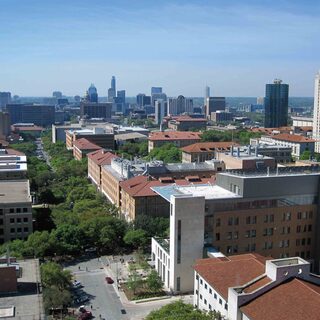
A total systems approach to space management is allowing the University of Michigan Medical School to make better-informed and more objective decisions in planning for growth within 4 million gsf of existing facilities in Ann Arbor, Mich. The space management system—which continues to evolve and expand since its deployment in 2008, and recently became a University best practice—increased annual space productivity by 4.18 percent and generates an estimated yearly savings of $300,000 through improved operational efficiencies.

Read More

KU’s Strategies for Capital and Operating Savings

Published 4/15/2015

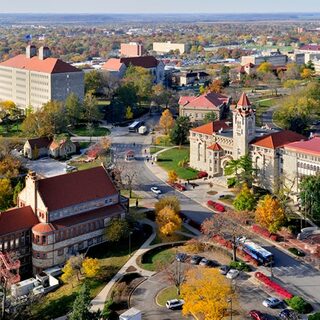
Efficiency measures adopted as part of its 2012-2017 strategic plan are forecast to save the University of Kansas–Lawrence Campus (KU) a combined $5.5 million in the areas of construction, facilities operations, and maintenance in a single fiscal year. Specific changes include consolidating maintenance organizations for better coordination and prioritization, refining best practices in both construction and financial management, and developing new revenue streams.

Read More

UTMB Builds Hard Data into Framework for Capital Investment Decision-Making

Published 2/11/2015

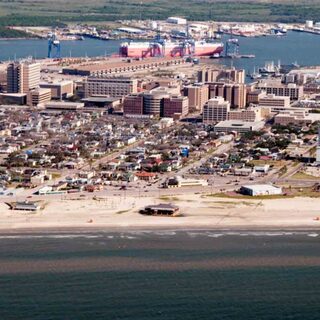
The University of Texas Medical Branch (UTMB) has crafted a decision-making framework based on objective standards to identify and pursue the highest priorities in a massive building boom that has roughly 95 projects valued from $10,000 to $450 million currently under construction. While a large part of that activity stems from the university’s long-range master plan, a significant portion was necessitated by the devastation of Hurricane Ike, which took 1.2 million sf of the medical school’s Galveston campus out of service in 2008. 

Read More

NASA Opens Mission Integration Center

Published 8/20/2014

NASA Glenn Research Center opened the $20.5 million Mission Integration Center in Cleveland in July of 2014. The three-story, 90,000-sf facility provides collaborative research and office space to accommodate 300 employees. The project has attained LEED Gold sustainable design certification and will use 30 percent less energy and 40 percent less water than a conventional building. Construction began on the facility in September of 2010.

Read More