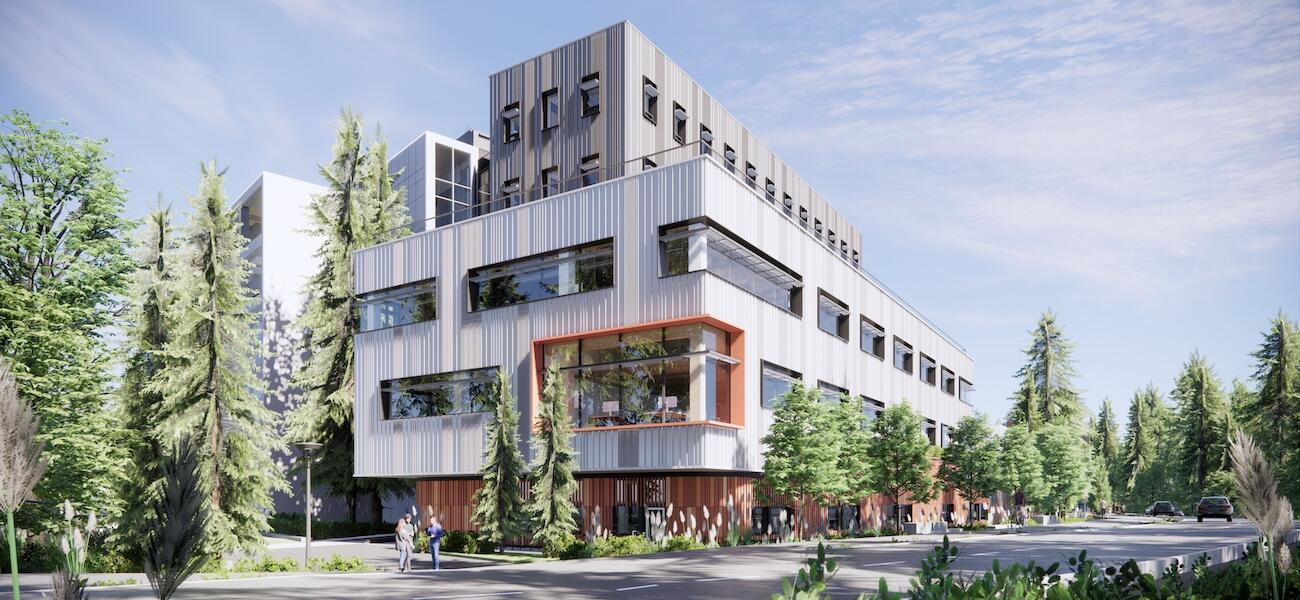
Engineering and Computer Science Expansion
Courtesy of DIALOG
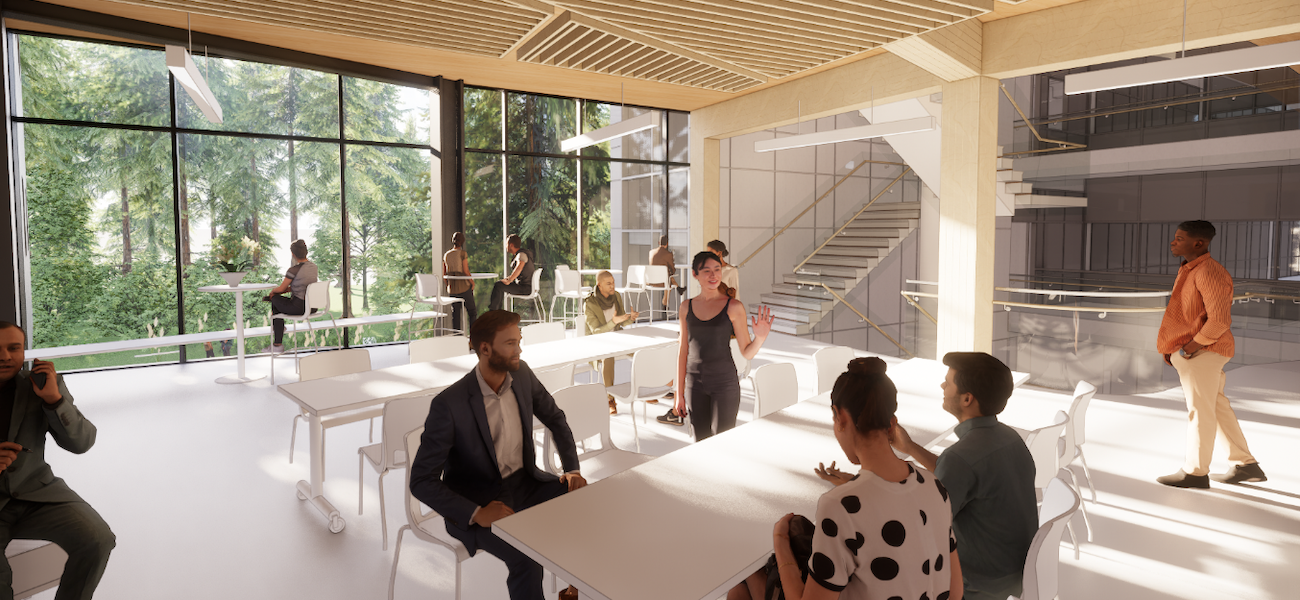
Engineering and Computer Science Expansion
Courtesy of DIALOG
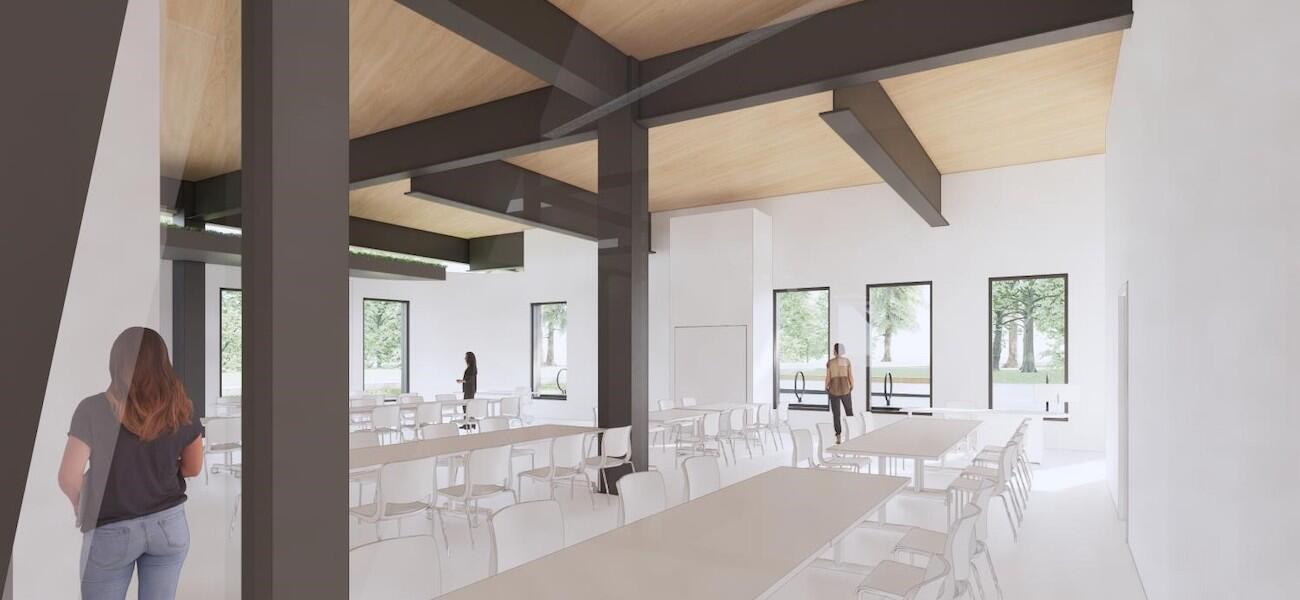
Engineering and Computer Science Expansion
Courtesy of DIALOG
Engineering and Computer Science Expansion
Courtesy of DIALOG
High Bay Research and Structures Lab
Courtesy of DIALOG
High Bay Research and Structures Lab
Courtesy of DIALOG
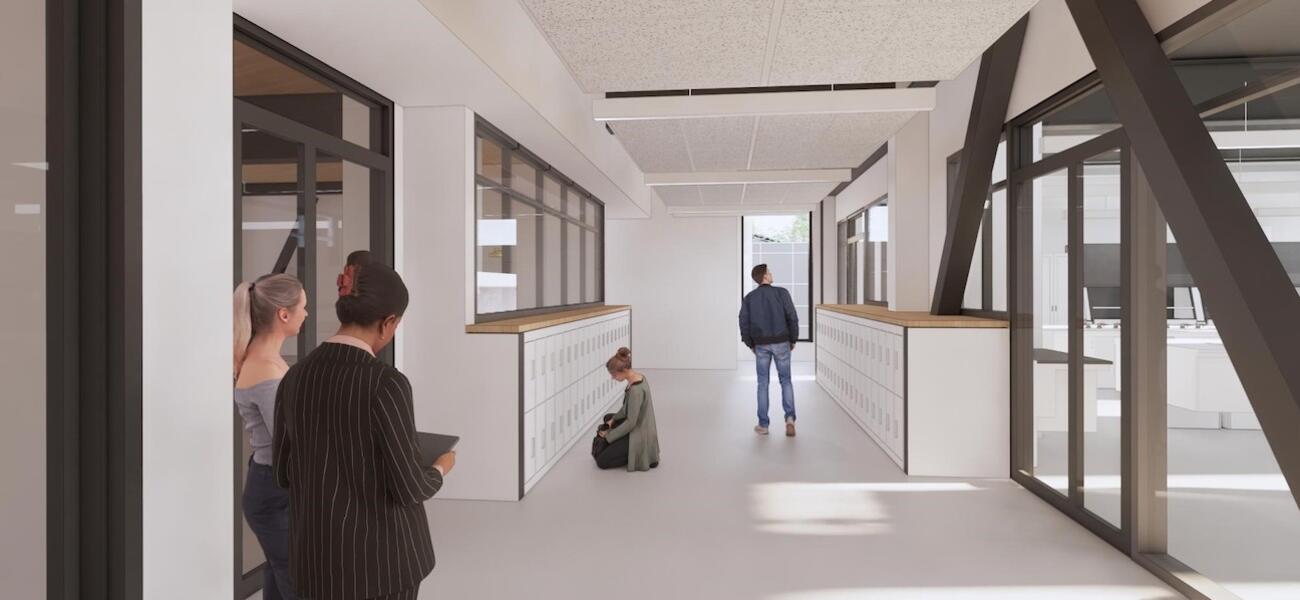
The University of Victoria is expanding the footprint of the Department of Engineering and Computer Science (ECS) with two highly sustainable facilities. The CAD 89.6 million project includes the construction of a six-story addition to the ECS building to provide biomedical, geotechnical, materials, building science, and environmental and hydraulics labs. Featuring active learning venues and undergraduate design studios, the development will also house graduate student workstations, faculty collaboration spaces, computer labs, and departmental offices. Connected on all levels to the existing atrium, which was extended, the hybrid structure integrates cross-laminated timber (CLT) floor panels and steel framing. An accessible green roof terrace will supply a further setting for hands-on discovery.
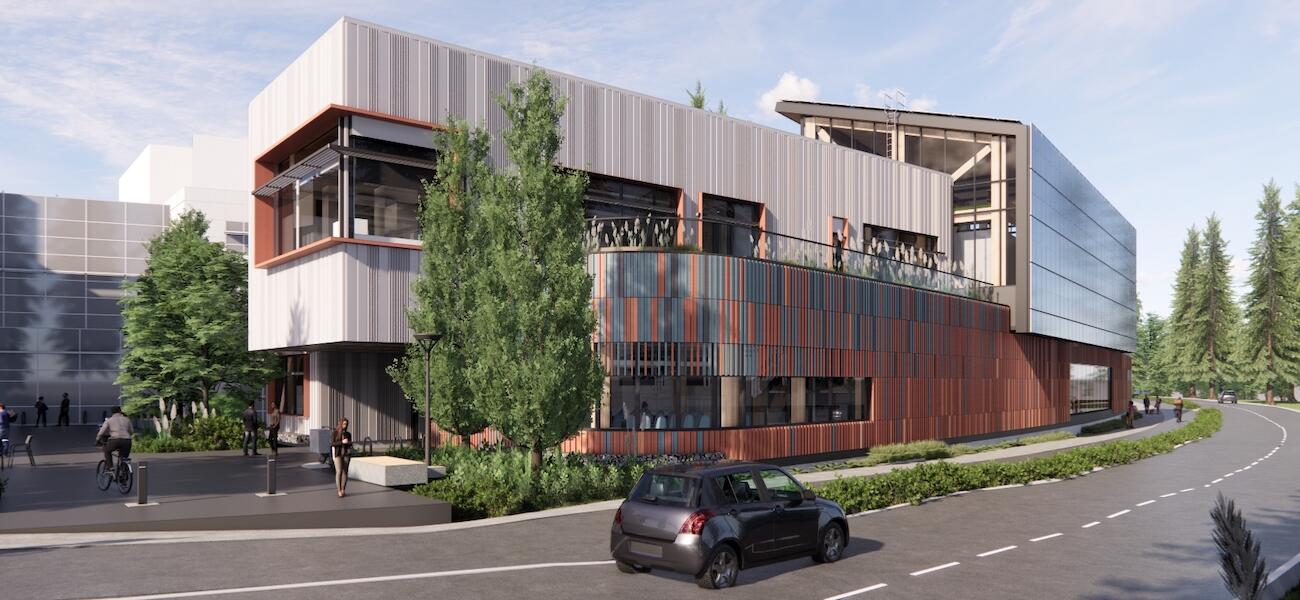
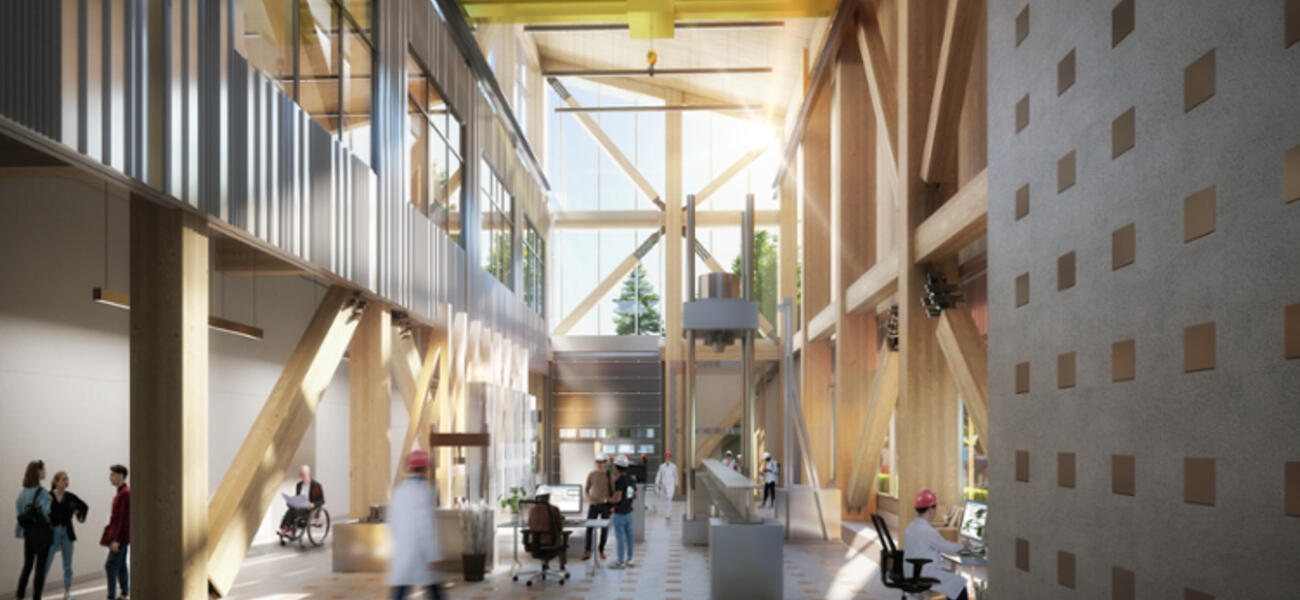
The standalone High Bay Research and Structures Lab will support large-scale experiments and the evaluation of new construction methods and materials. Showcasing a double-height testing zone, the building will accommodate two 10-ton gantry cranes, a shake table, a reaction wall, and a strong floor. Composed almost entirely of mass timber, the project has CLT floor plates, glulam beams and columns, and a steel and concrete seismic brace system.
Designed by DIALOG, both facilities have already earned the Canada Green Building Council’s Zero Carbon Building Design v3 certification. Strategies for achieving net-zero energy consumption include rooftop photovoltaic arrays, heat pumps, fully electric HVAC systems, and Passive House principles. A network of approximately 1,000 sensors that measure performance in real time will enable ongoing analysis. By detecting temperature, humidity, indoor air quality, structural stress, foundation settlement, and the movement of people, these living laboratories will generate nuanced data, accelerating innovation and the creation of novel technologies.
Bird Construction broke ground in 2022 on the expansion, which is also targeting certification through the International Living Future Institute’s Zero Carbon framework, as well as LEED Gold v4. Other team members include Kalesnikoff, Kinsol Timber Systems, and Niik Steel. Occupancy is expected in late 2026.
| Organization | Project Role |
|---|---|
|
DIALOG
|
Architect
|
|
Bird Construction
|
Construction Manager
|
|
Kalesnikoff
|
Mass Timber Timber Supplier
|
|
Kinsol Timber Systems
|
Mass Timber Installer
|
|
Niik Steel
|
Steel Supplier & Installer
|